Untamed Beauty and Living Culture: Discover Samburu with Cache Tours and Safaris
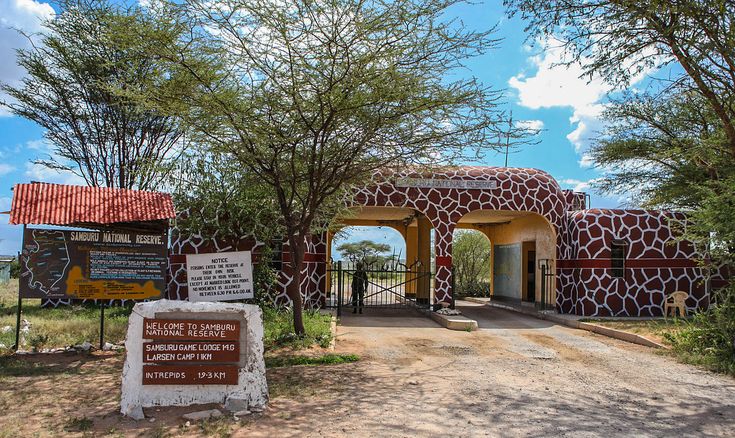
Far from the crowds of the more popular national parks, Samburu National Reserve offers something truly special—untamed wilderness, rich Samburu traditions, and rare wildlife species you won’t find anywhere else in Kenya. At Cache Tours and Safaris, we invite you to journey north and experience a safari that is not just about wildlife, but about connection—both to nature and to culture.
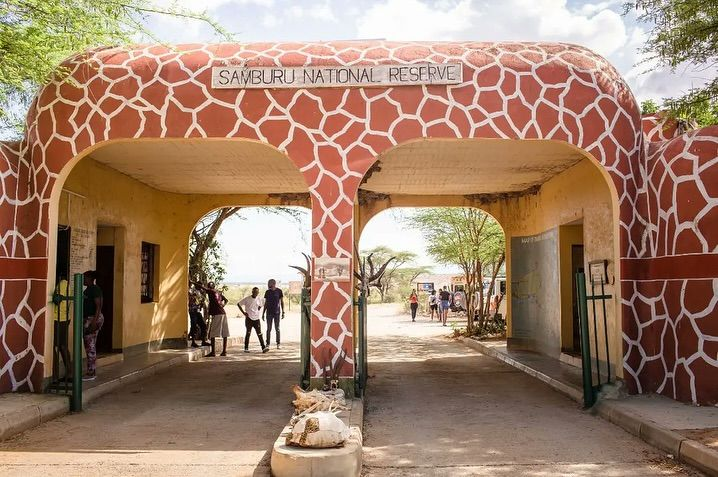
Where is Samburu, and Why Should You Visit?
Located in Northern Kenya, about 350 km from Nairobi, Samburu National Reserve is a rugged, semi-arid park that lies on the banks of the Ewaso Ng’iro River. Its dramatic landscapes—dotted with doum palms, rocky ridges, and dry plains—are as striking as the wildlife that thrives here.
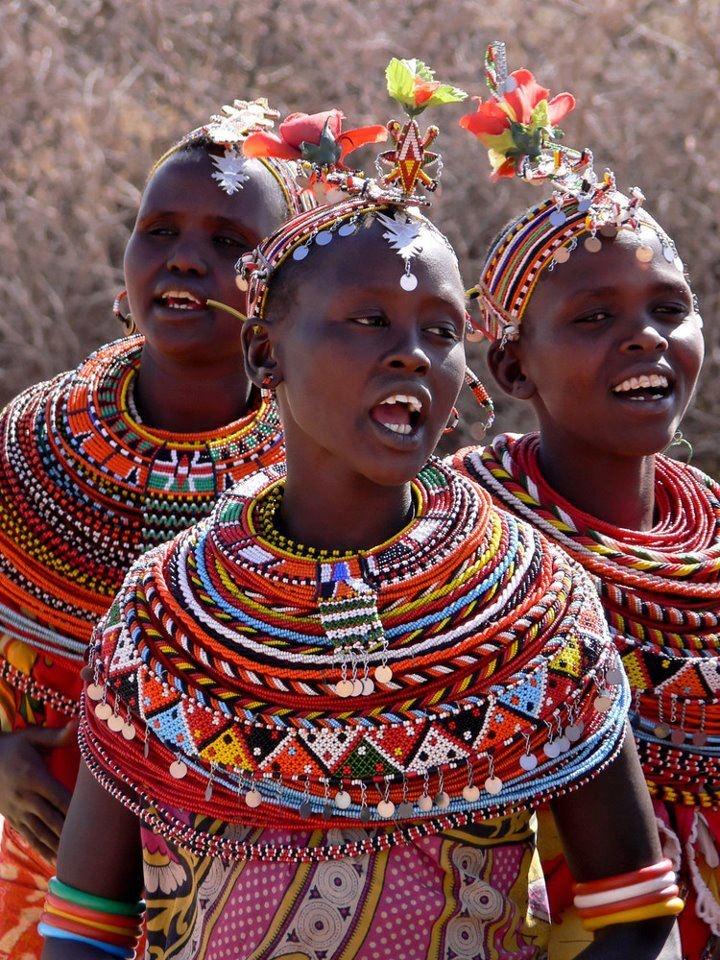
But Samburu is more than just scenery. It is the ancestral land of the Samburu people, a proud and semi-nomadic tribe closely related to the Maasai. Their presence, culture, and harmony with the land give this region a depth you won’t find in typical tourist circuits.
If you’re looking for raw beauty, unique encounters, and off-the-beaten-path experiences, Samburu is your place.
Wildlife in Samburu: The Special Five and Beyond
While you can still spot lions, elephants, and leopards in Samburu, what really makes the reserve stand out is the “Samburu Special Five”—a group of rare animals found only in the dry northern ecosystems of Kenya.
The Samburu Special Five:
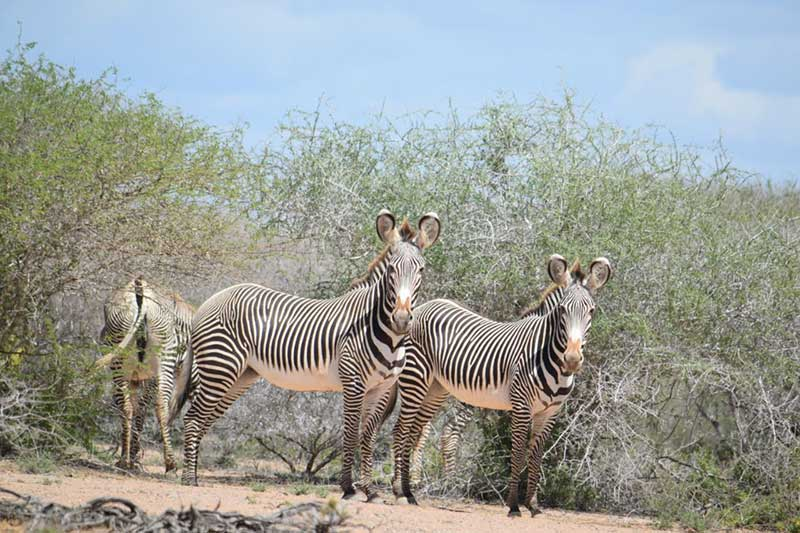
- Grevy’s Zebra – Larger and rarer than the common plains zebra
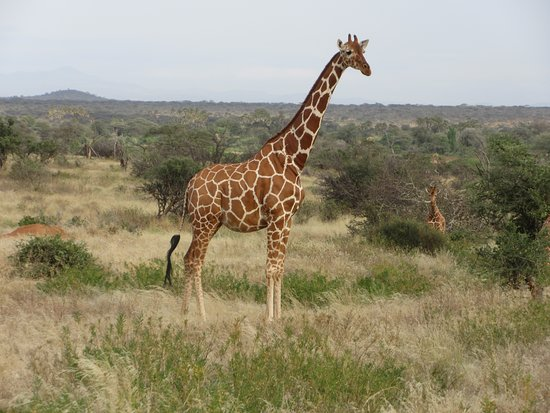
2.Reticulated Giraffe – Stunning giraffes with geometric, net-like patterns
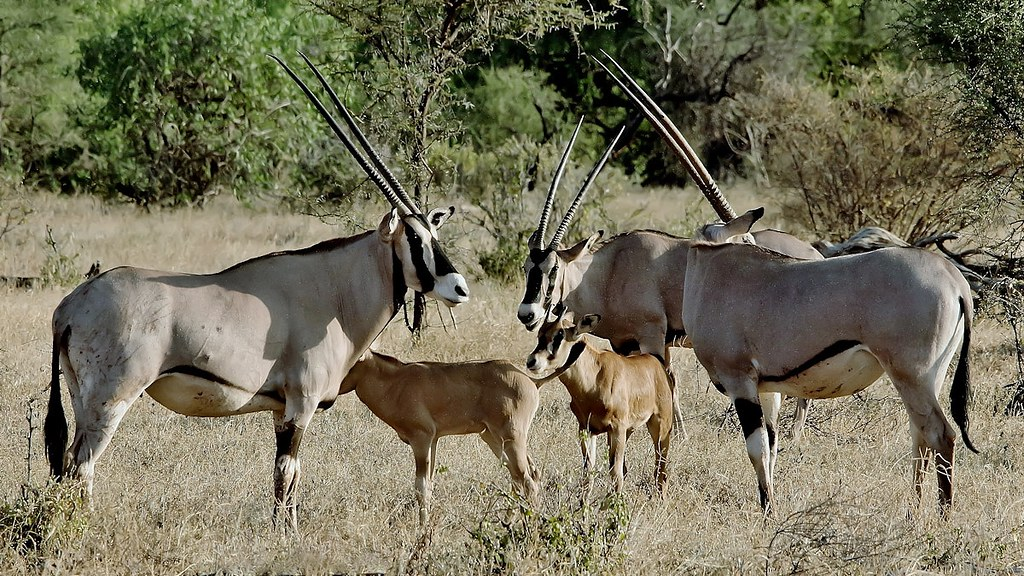
3.Beisa Oryx – Elegant antelope with sharp, straight horns
4.Somali Ostrich – Blue-legged ostriches, different from the Maasai variety
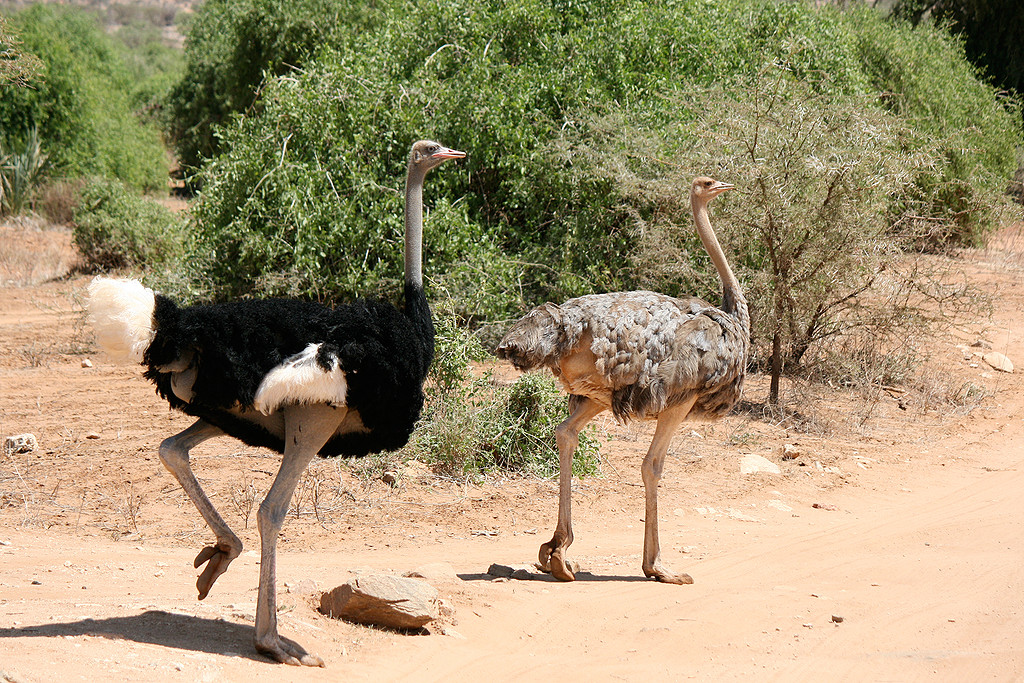
5.Gerenuk – Also known as the “giraffe antelope,” famous for its long neck and upright browsing stance
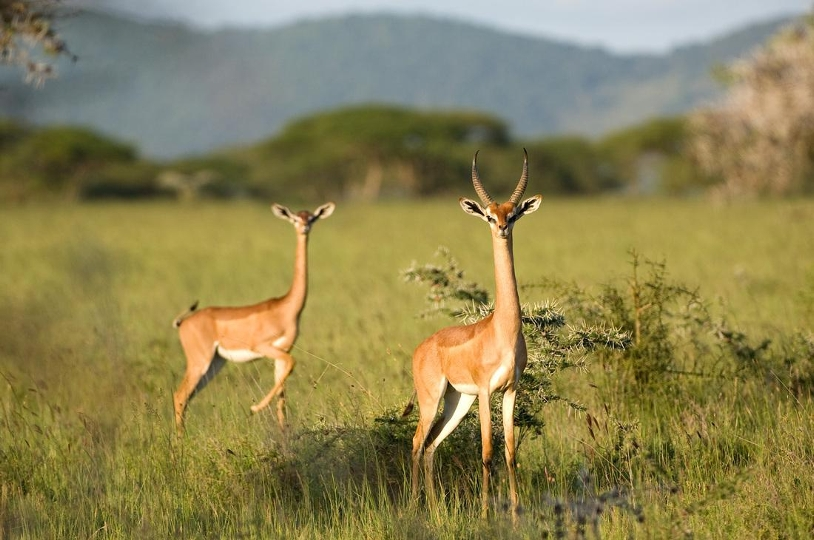
These unique creatures make Samburu a must-visit for wildlife lovers and photographers seeking something different.
Other sightings include:
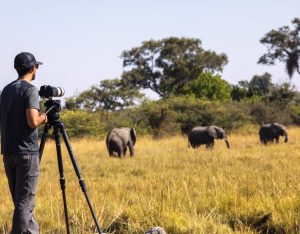
- African elephants (especially near the river)
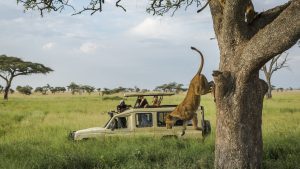
- Leopards resting on acacia trees
- Lions, cheetahs, hyenas
- Crocodiles and hippos along the river
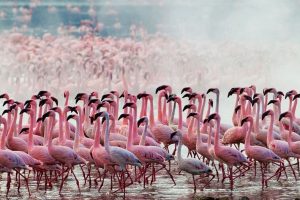
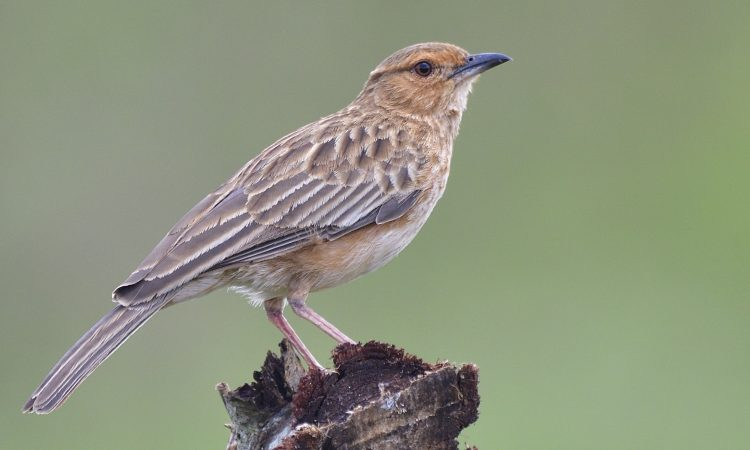
- Over 450 species of birds
Samburu may be less trafficked than Maasai Mara or Amboseli, but that’s what makes its wildlife sightings feel intimate and undisturbed.
The Samburu People: Guardians of Northern Kenya
A safari in Samburu isn’t complete without engaging with the Samburu community, whose lifestyle and traditions have remained largely unchanged for centuries.
Cultural Experiences You Can Enjoy:
- Village visits – Learn about Samburu homes (manyattas), livestock culture, and family structures.\
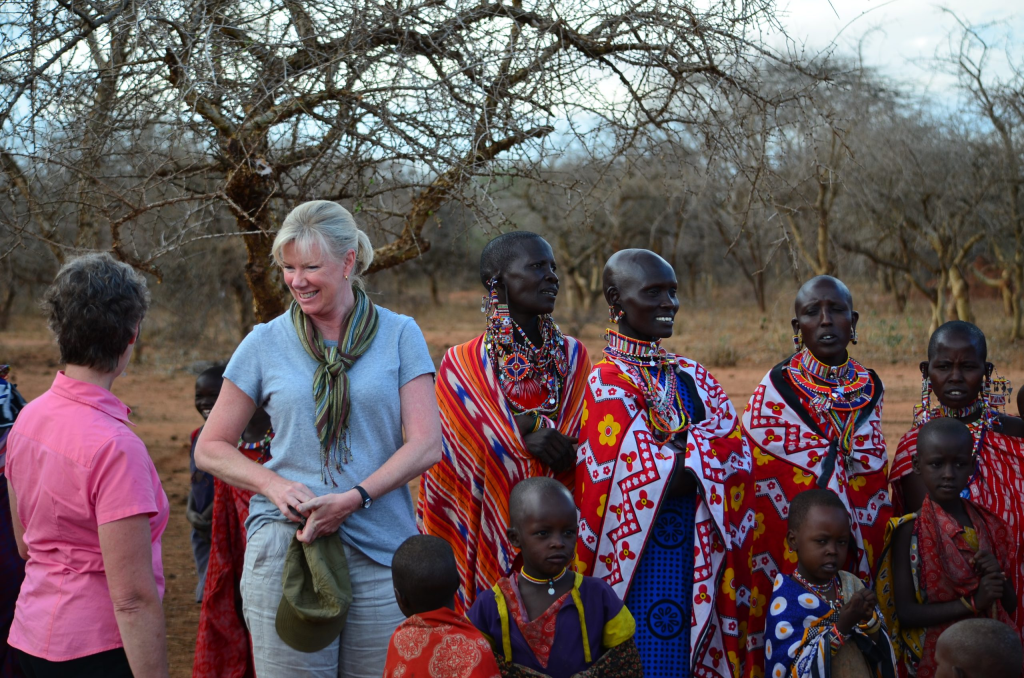
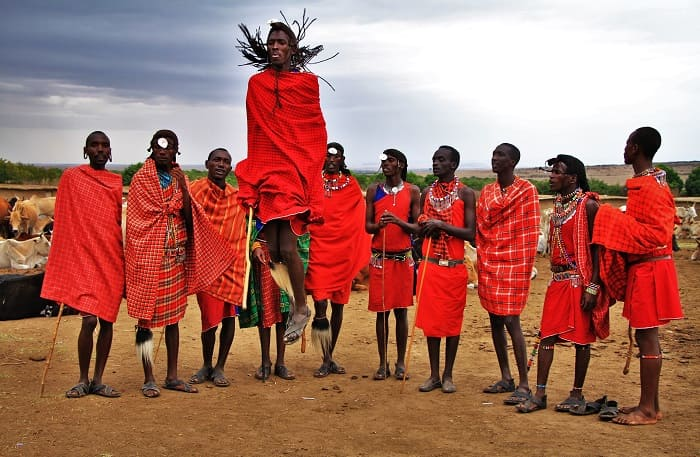
- Traditional dances – Participate or observe vibrant, rhythmic ceremonies.
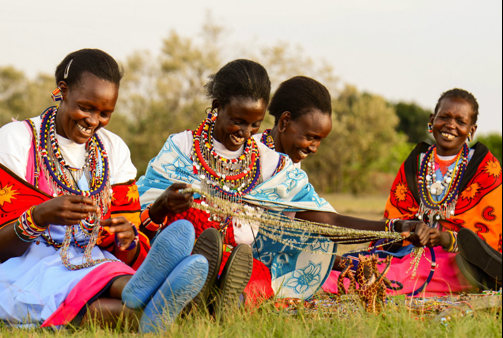
- Beading workshops – Watch or try your hand at crafting with Samburu women.
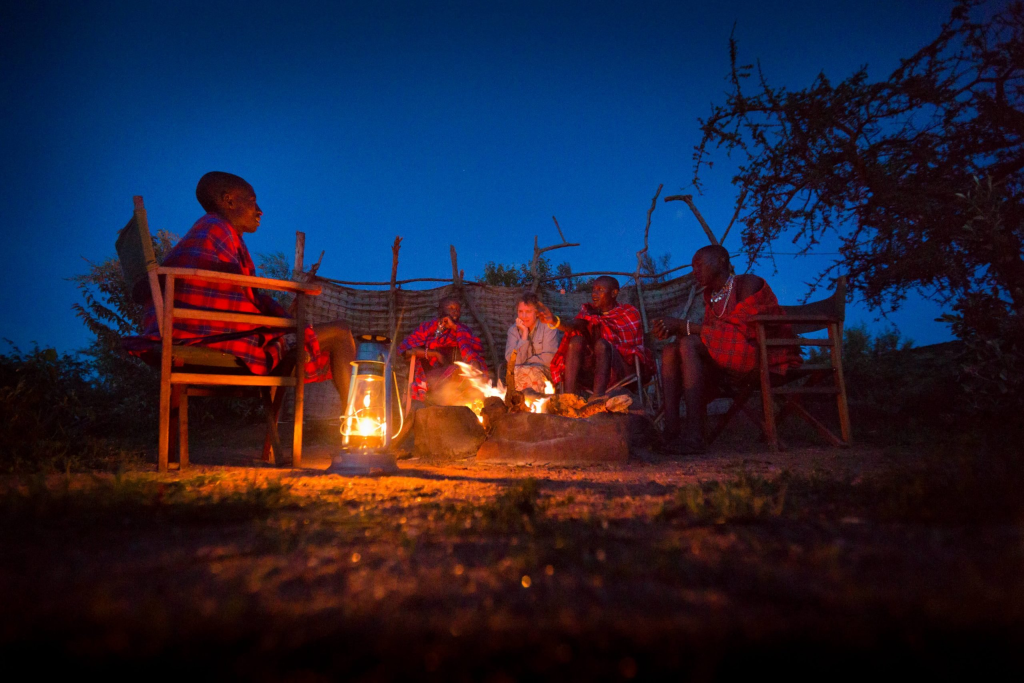
- Storytelling under the stars – Hear legends and oral histories from local elders.
Unlike commercialized cultural displays, our Samburu interactions are based on mutual respect, fair compensation, and authentic sharing—designed to foster connection, not exploitation.
Sample 3-Day Samburu Safari Itinerary
Cache Tours and Safaris offers tailor-made and group safaris to Samburu. Here’s a sample of a popular 3-day itinerary:
Day 1: Nairobi – Samburu
- Early morning departure from Nairobi
- Scenic drive through Mt. Kenya foothills and Laikipia Plateau
- Arrive in Samburu for lunch and afternoon game drive
- Sunset by the Ewaso Ng’iro River
- Overnight at a lodge or tented camp
Day 2: Full Day in Samburu
- Morning and afternoon game drives
- Visit to a Samburu village (optional)
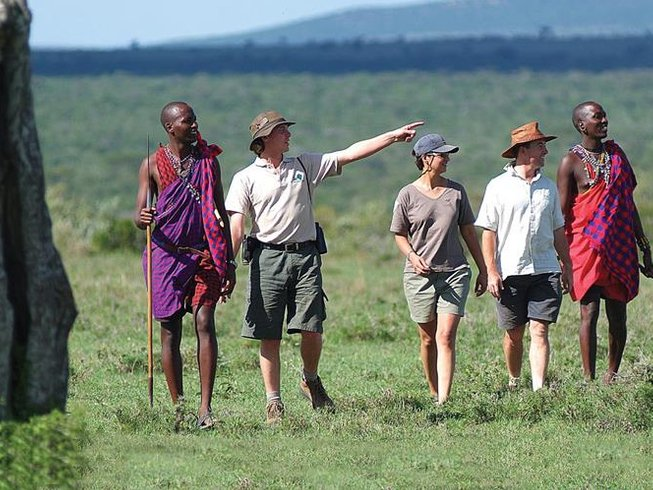
- Leisure time by the pool or nature walk with a ranger
- Dinner under the stars with campfire storytelling
Day 3: Samburu – Nairobi
- Sunrise game drive and breakfast
- Check-out and return to Nairobi via road or optional flight
Best Time to Visit Samburu
Samburu is accessible year-round, but certain seasons are ideal depending on your interests.
- June to October – Dry season; easier to spot animals gathering near the river
- December to March – Warmer weather, great for birding and photography
- April to May – Wet season; fewer tourists, but roads can be muddy
The climate is hot and dry most of the year, so light clothing and sun protection are essential.
Where to Stay in Samburu
Samburu offers a range of accommodation—from rustic camps to luxurious lodges. All are designed to blend with the natural environment and maximize your connection with nature.
Top Picks:
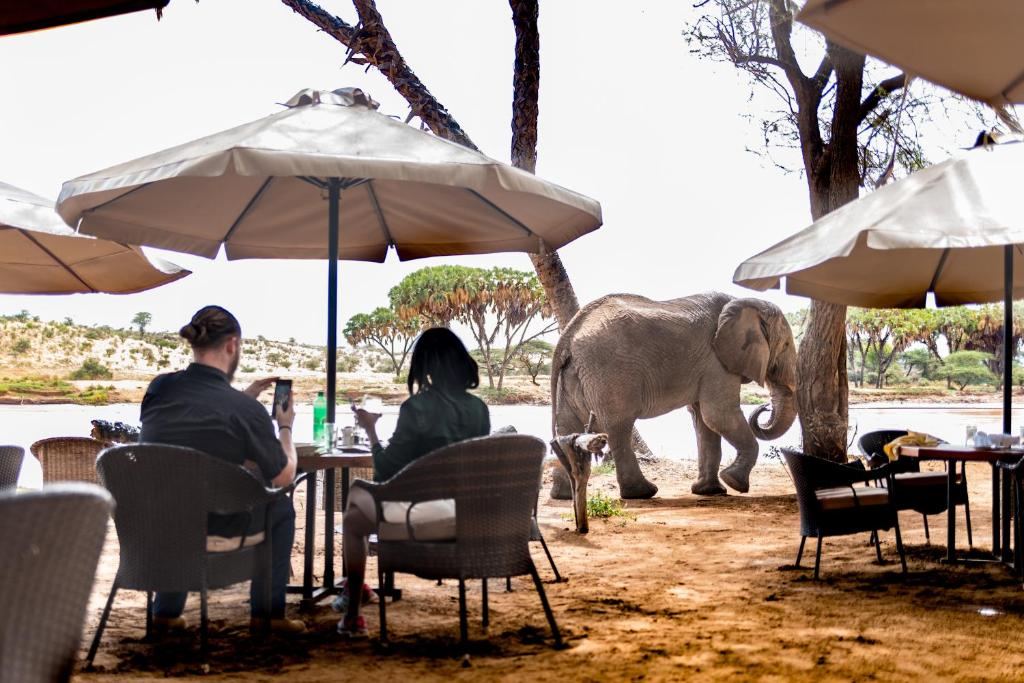
- Elephant Bedroom Camp – Tented camp with elephants wandering through!
- Samburu Intrepids – Great for families and groups, excellent guiding
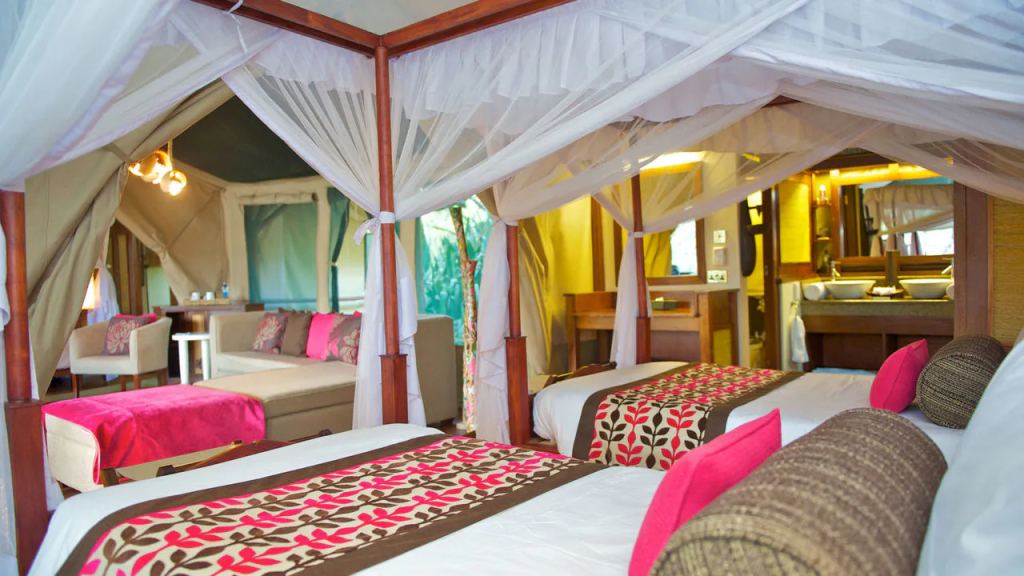
- Saruni Samburu – Ultra-luxury lodge perched on a cliff with stunning views
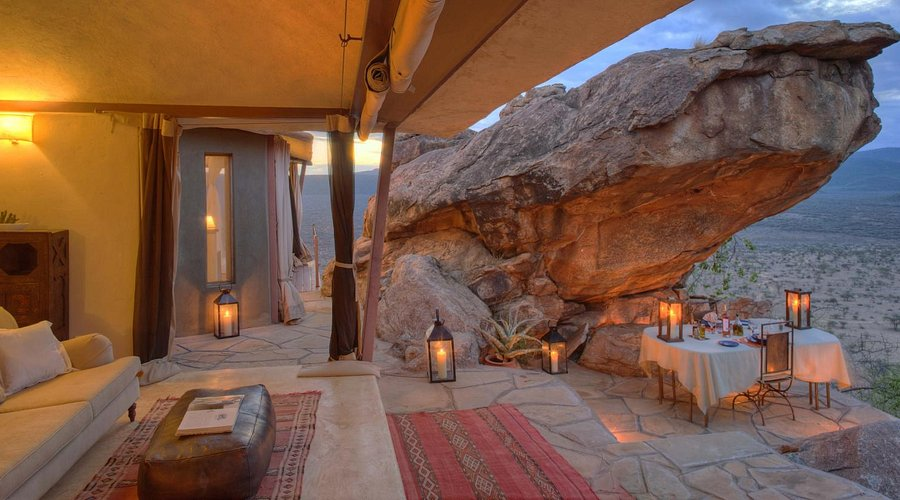
- Budget options – Public campsites and local bandas available for budget travelers
All accommodations booked through Cache Tours and Safaris include meals, game drives, and community conservation fees.
Activities in and Around Samburu
Beyond game drives, you can enrich your Samburu safari with:
- Bush breakfasts and sundowners in scenic spots
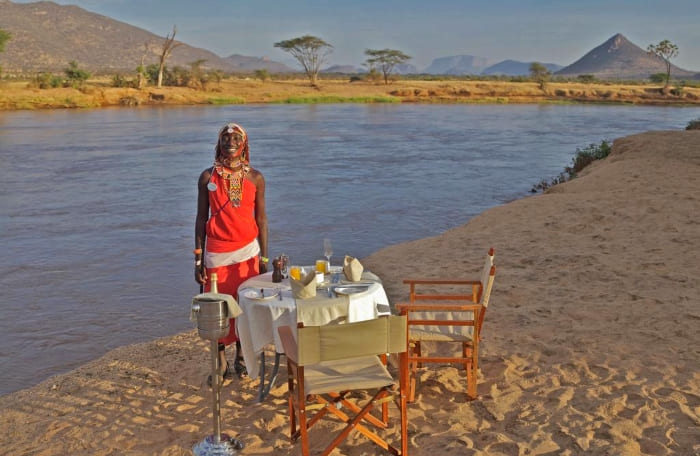
- Nature walks with Samburu warriors
- River birding safaris
- Camel rides
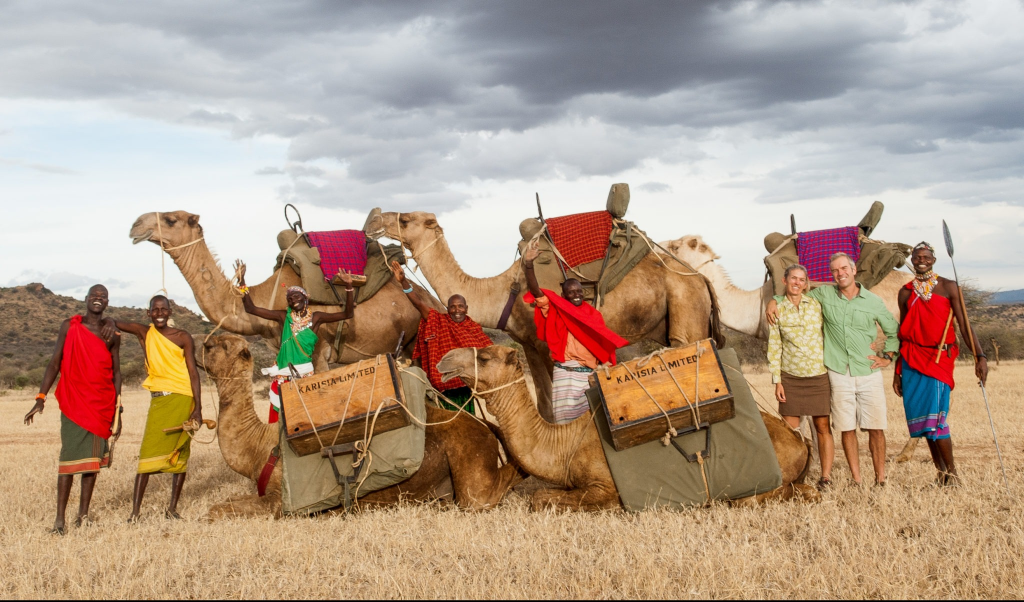
- Night drives (in private conservancies)
We also offer tours that include visits to:
- Buffalo Springs and Shaba National Reserves
- Reteti Elephant Sanctuary
- Lake Turkana region (for the truly adventurous)
Packing List for Samburu Safaris
Essentials:
- Light, breathable clothing in neutral colors
- Long sleeves and pants for sun and insect protection
- Wide-brimmed hat and sunglasses
- Strong sunscreen and lip balm
- Binoculars and camera with zoom lens
- Sturdy walking shoes or boots
- Refillable water bottle
- Personal medication and basic first aid kit
We’ll provide a full packing checklist with your booking confirmation.
Responsible Tourism and Conservation
By choosing Cache Tours and Safaris for your Samburu trip, you’re helping support local communities and conservation efforts.
We ensure:
- Fair wages and profit-sharing with local guides
- Respectful cultural interactions with community oversight
- Low-impact travel practices (waste reduction, water-saving lodges)
- Support for projects like water access, women’s cooperatives, and wildlife protection
Traveling to Samburu with us isn’t just a vacation—it’s a contribution to sustainable development in one of Kenya’s most underrepresented regions.
Frequently Asked Questions (FAQs)
Is Samburu safe for travelers?
Yes. Samburu is a secure area with experienced guides, well-established lodges, and excellent safari infrastructure. Cache Tours ensures all clients are briefed and cared for at every step.
Is Samburu suitable for kids or older travelers?
Absolutely. With shorter drive times inside the reserve, intimate camps, and cultural experiences, it’s great for families, couples, and older travelers looking for a relaxed yet immersive experience.
Can I combine Samburu with other destinations?
Yes! We often combine Samburu with:
- Ol Pejeta Conservancy
- Lake Nakuru or Lake Naivasha
- Mount Kenya
- Maasai Mara
- Amboseli
- Tsavo East and Tsavo West
We also offer fly-in safaris for those wanting to skip long drives.
Why Choose Cache Tours and Safaris for Samburu?
We’re passionate about showcasing the lesser-known beauty of Kenya—and Samburu is at the heart of that mission. When you travel with us, you’re choosing:
✅ Local insight from guides who grew up in or near Samburu
✅ Authentic cultural experiences, not packaged performances
✅ Custom itineraries for individuals, families, and groups
✅ Transparent pricing with no hidden fees
✅ A real commitment to responsible tourism
Start Your Samburu Journey Today
Let Samburu change your perspective. Whether it’s the sight of elephants crossing a dry riverbed, the hum of Samburu songs at sunset, or the graceful silhouette of a gerenuk under the acacia trees—this is a safari for the soul.
📩 Get in touch with Cache Tours and Safaris today to plan your Samburu adventure. Solo travelers, and couples tours welcome!
“In Samburu, it’s not just the land that speaks. It’s the people, the silence, and the stories written in the red dust.”